




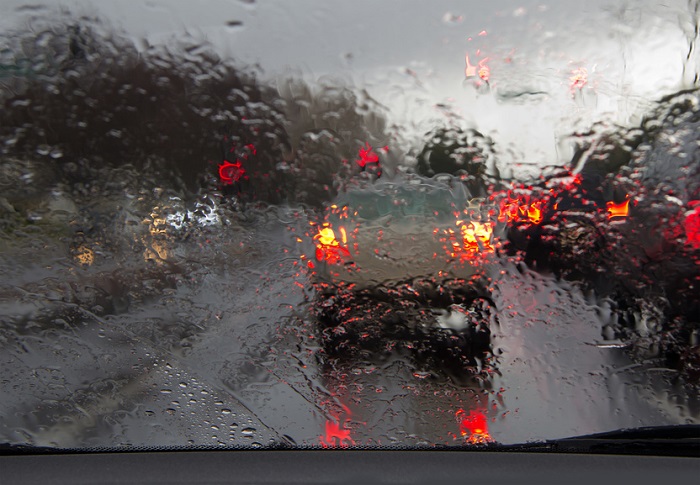
Rainy days don’t have to mean risky driving, especially when your vehicle is equipped with quality Chevrolet tires. At Phelps Chevrolet in Greenville, NC, we want to keep our drivers safe in all conditions, and avoiding hydroplaning starts with the right knowledge and preparation.
What Is Hydroplaning?
Hydroplaning happens when your tires lose contact with the road due to a layer of water, causing your vehicle to slide uncontrollably. It can occur at speeds as low as 35 mph, especially if your tires are worn or underinflated. Knowing how to respond — and how to prevent it — is key to staying safe.
Driving Tips to Reduce Risk
To avoid hydroplaning, reduce your speed during heavy rain and avoid sudden braking or sharp turns. Drive in the tracks of the car ahead and stay away from puddles when possible. Cruise control should be avoided in wet conditions, as it can reduce your ability to react quickly to slippery spots.
The Role of Good Tires
While defensive driving helps, the condition of your Chevrolet tires plays a significant role in preventing hydroplaning. Tires with deep tread grooves help channel water away from the contact surface, maintaining traction. Regularly check tire pressure and tread depth, and replace your tires when they show signs of wear. If you’re unsure what condition your tires are in, our team at Phelps Chevrolet can inspect them for you.
Stay Safe with Help from Phelps Chevrolet in Greenville, NC
Hydroplaning can be dangerous, but you can drive confidently in wet weather with a few adjustments and the right equipment. Stop by Phelps Chevrolet in Greenville, NC, to have your tires checked or to explore our full selection of Chevrolet tires. Your safety starts where the rubber meets the road!
Connect with us

